
How we'll gather
Our culture uses the internet but it's not IN the internet


What we are circling is not simply a logistical problem of where to gather. It is a mythic problem of orientation.
The 20th century had its Haight-Ashburys, its Esalen Institute, its Lower East Sides: geographic crucibles where altered states, artistic revolt, psychological experimentation, and economic power cross-pollinated in embodied proximity.
Today, the crucible has liquefied. We inhabit what Marshall McLuhan would call the “global village,” but it is a village without a village square. Our identities function as persistent digital avatars (networked, searchable, locatable) while our nervous systems remain mammalian, place-bound, trauma-encoded. The result is epistemic vertigo: we are everywhere and nowhere, hyperconnected yet under-rooted, mythically hungry in an age of infinite feeds.
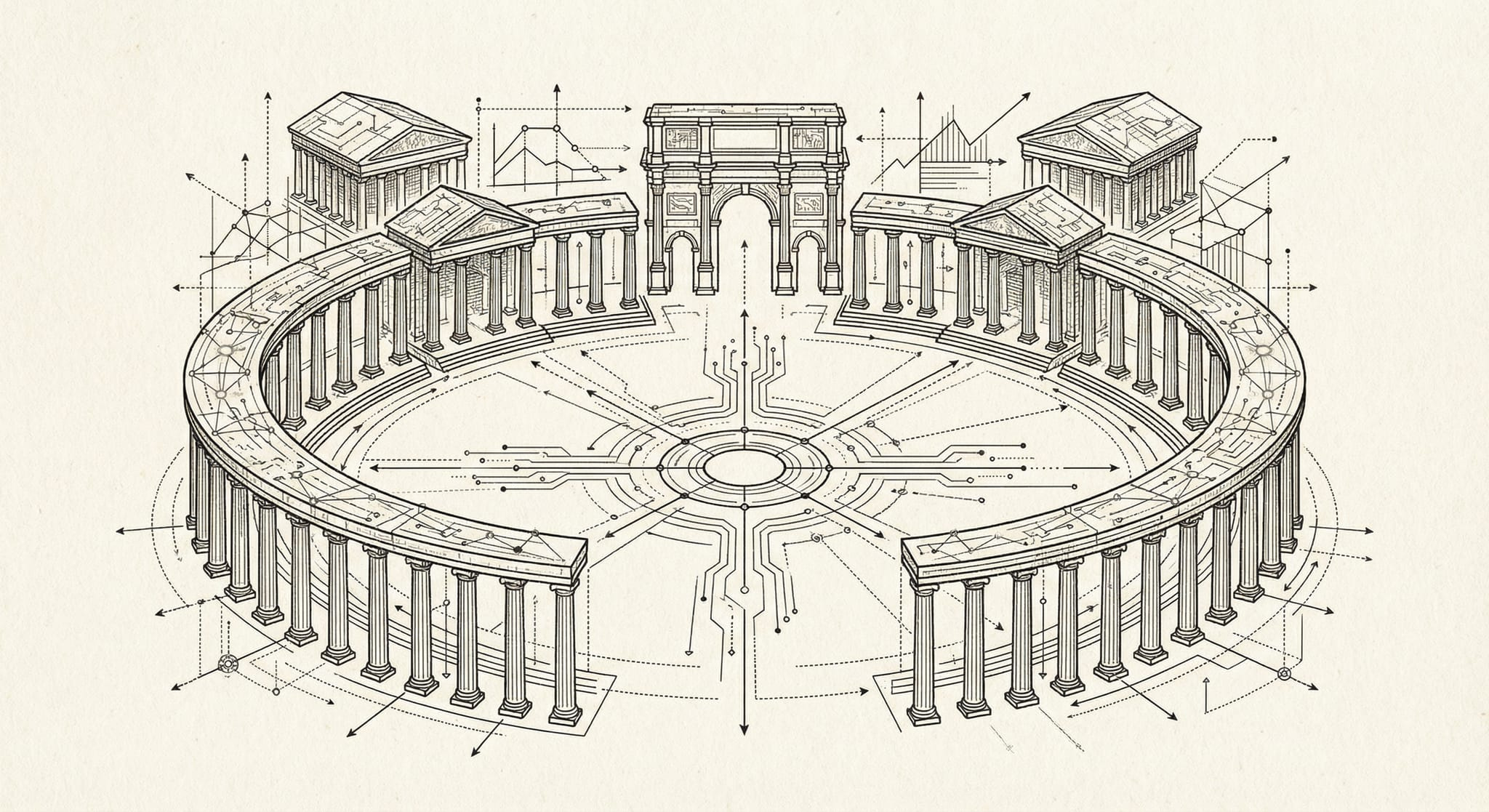
The deeper tension is not digital versus physical. It is disembodiment versus integration. As phenomenologists like Merleau-Ponty remind us, consciousness is always embodied. As trauma theorists like Bessel van der Kolk argue, the body keeps the score.
Utopian movements fail not because the vision is wrong, but because shadow goes unintegrated. Hierarchies re-form, ego inflates, charisma outruns character. The internet can coordinate bodies, but it cannot metabolize projection.
Any renaissance worthy of the name must be somatic as well as systemic. Spaces designed not only for inspiration, but for shadow work. Not only for decentralization, but for accountability. Not only for AI-amplified imagination, but for nervous-system regulation and relational repair.
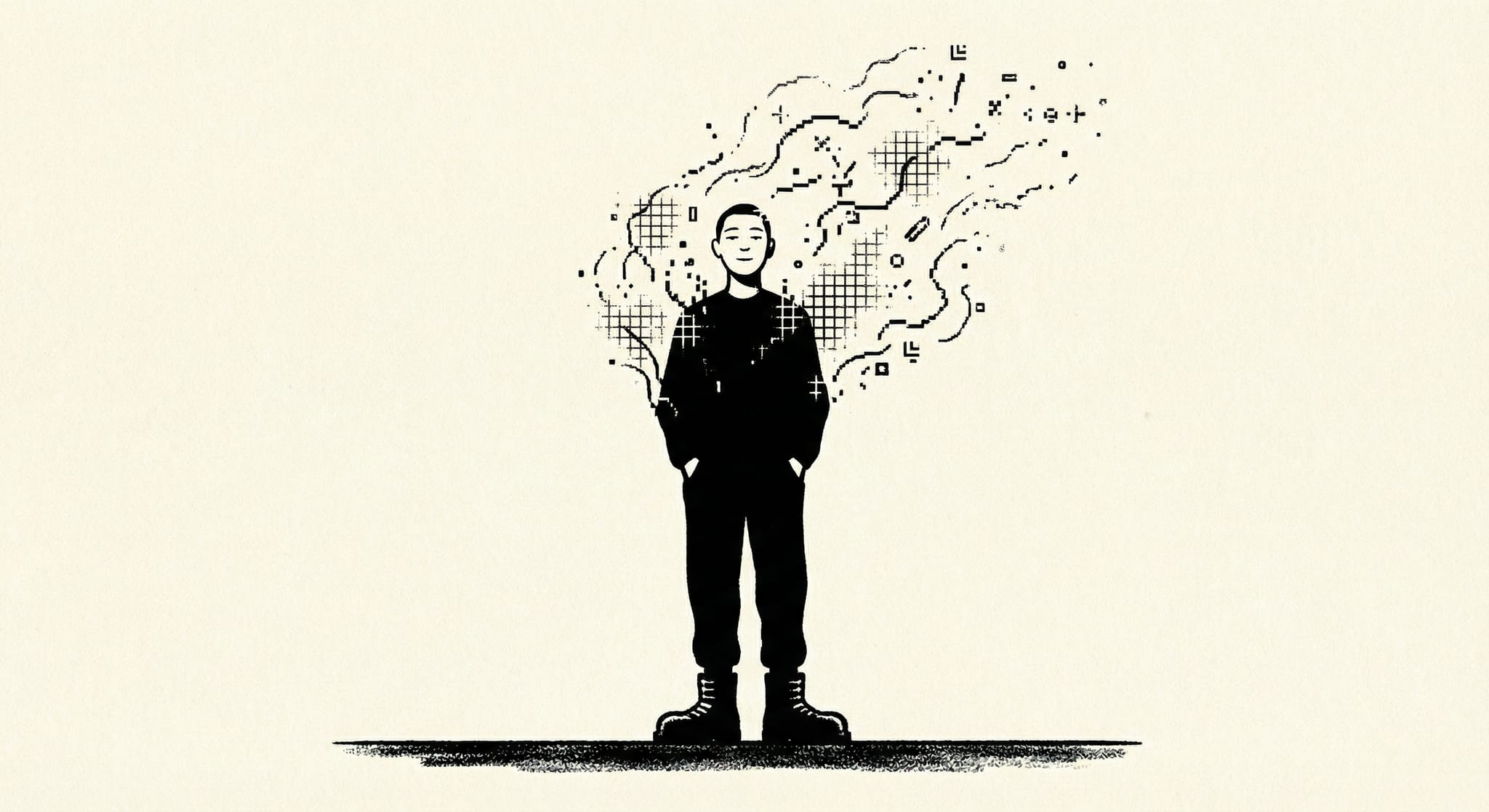
So perhaps the answer is not to find the new Haight-Ashbury as a fixed location, nor to retreat into the metaverse. Perhaps we cultivate portable sanctuaries: temporary autonomous zones of high coherence. The internet becomes the attractor field, the signaling system that gathers resonant bodies into time-bound, place-based intensifications. Pop-up monasteries for artists, technologists, healers, and system-builders.
The problem is fragmentation. The solution is rhythmic convergence. We do not live in the internet. We use it to choreograph embodiment.
The next story will not be naive utopianism, but mature idealism: transcendence braided with trauma literacy, mythopoetic imagination disciplined by systems thinking. A renaissance that knows its shadow and gathers anyway.
 | A guest post by
|
You describe portable sanctuaries, rhythmic convergence, and nervous-system regulation. I’m struck by how closely that maps onto what liturgical traditions have attempted for centuries. Not perfectly—and often corruptly—but structurally.
Susan Sontag warned about the risk of “piety without content” — the drift toward spiritual atmosphere once the load-bearing structures have been removed. I find myself wondering how any movement organized around “high coherence” protects itself from that same gravity.
You write that the internet can coordinate bodies but cannot metabolize projection. That feels right. But historically, projection was metabolized through the unpleasant tools of confession, ritualized hierarchy, repetition, and submission to a shared narrative — the heavy machinery of institutions like the church.
The radical move now may not be to invent a new container, but to ask whether existing ones failed because of their form — or because shadow was never fully integrated. If we bypass institutions to avoid corruption, do we also relinquish the only gravity strong enough to hold projection in place? Maturity may require the very thing the internet age most resists: the friction of permanence.